If you’ve just taken on a part-time job and you’re wondering how income tax part time salary UK rules apply to you, you’re in good company. Plenty of part-time workers assume they don’t earn enough to pay tax, while others worry they’re paying too much without realising it. The truth is simple: part-time wages are taxed exactly the same as full-time pay — through the same PAYE system, the same £12,570 personal allowance and the same tax bands. The only real difference is that the numbers are smaller, so where the personal allowance lands matters a great deal.
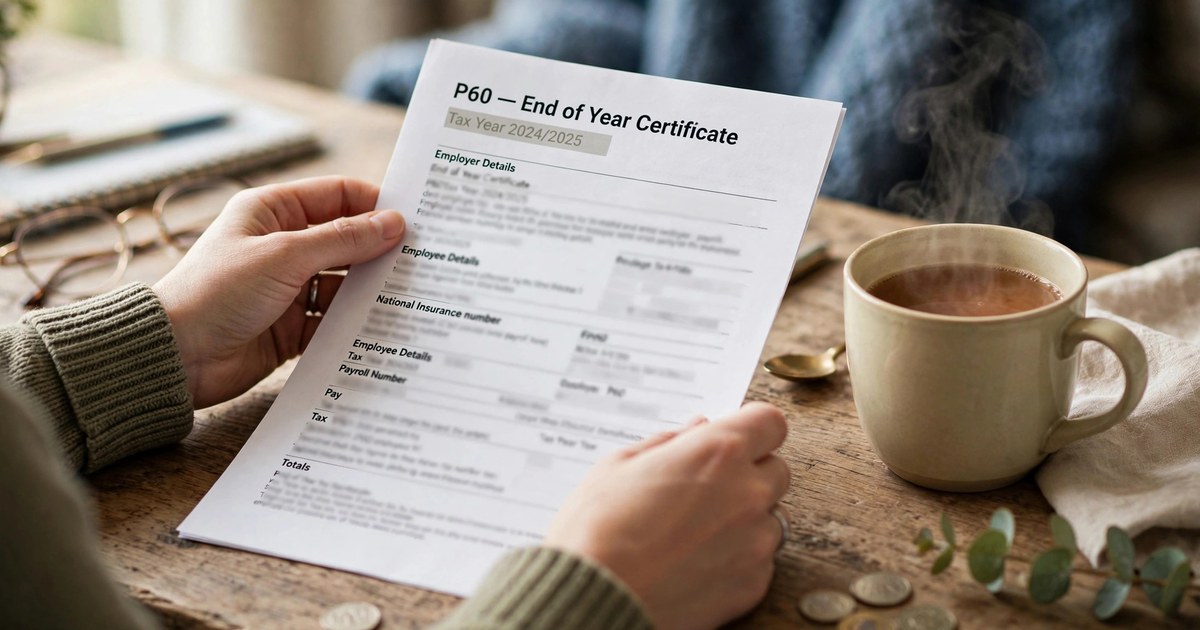
Below: how the rules work, three worked examples at £11,500, £18,200 and £24,960, a take-home comparison table, what to do about emergency tax codes on a first job, and how to check your own tax code.
Quick answer: Income tax on part-time pay works the same as on full-time pay — your employer deducts it through PAYE before your wages reach you. In 2026/27 you pay no income tax on the first £12,570 of earnings (the personal allowance), then 20% on the next chunk up to £50,270. Below £12,570 you pay no income tax at all; above it, you only pay tax on the amount over the allowance — never on the whole salary.
How PAYE and the personal allowance apply to part-time workers
There is no separate tax system for part-time staff. Whether you work four hours a week or forty, your employer runs your pay through PAYE (Pay As You Earn), deducts income tax and National Insurance, and sends the rest to HMRC. Your payslip shows gross pay, the tax deducted and your net take-home.
The key figure is the personal allowance: what you can earn each tax year before income tax kicks in — £12,570 for 2026/27, applied to your total earnings from all jobs and pensions combined.
- Earn £12,570 or less → no income tax.
- Earn more → you pay tax only on the slice above £12,570.
That “slice above” point trips people up. Someone earning £15,000 doesn’t pay 20% on £15,000. They pay 20% on £2,430 — the part over the allowance — which is £486 for the whole year, or about £40.50 a month.
The 2026/27 bands are the same for everyone:
| Band | Taxable income | Rate |
|---|---|---|
| Personal allowance | £0 – £12,570 | 0% |
| Basic rate | £12,571 – £50,270 | 20% |
| Higher rate | £50,271 – £125,140 | 40% |
| Additional rate | Over £125,140 | 45% |
Most part-time workers sit entirely in the basic rate band. Note that income tax and National Insurance have different thresholds and rules, even though both leave via your payslip — this guide covers income tax, but bear the distinction in mind when you compare gross pay with what actually arrives.
Income tax part time salary UK: three worked examples
Example 1: £11,500 a year — pays nothing
Maya works 16 hours a week in a café on £11,500 a year.
- The salary is below the £12,570 personal allowance, so her taxable income is £0.
- Income tax due: £0.
Many students and very-low-hours workers are in this position: the whole salary sits inside the tax-free allowance.
Example 2: £18,200 a year — pays a little
Tom works three days a week in a warehouse on £18,200 a year.
- Taxable income: £18,200 − £12,570 = £5,630.
- Tax: £5,630 × 20% = £1,126 for the year (£93.83 a month).
- Take-home (before National Insurance): £18,200 − £1,126 = £17,074, about £1,422.83 a month.
Tom’s effective rate is only about 6.2% of his gross salary — nothing like the “20% tax” figure people fear. You never pay 20% on your whole wage, only on the part above £12,570.
Example 3: £24,960 a year — into the basic rate
Priya works 30 hours a week in a care home at £16 an hour: £24,960 a year.
- Taxable income: £24,960 − £12,570 = £12,390.
- Tax: £12,390 × 20% = £2,478 for the year (£206.50 a month).
- Take-home (before National Insurance): £24,960 − £2,478 = £22,482, about £1,873.50 a month.
Even at nearly £25,000, Priya’s effective rate is under 10%. The personal allowance does a lot of heavy lifting at part-time salary levels — doubling your hours doesn’t come close to doubling your tax bill.
Weighing up different hours or hourly rates? Run the figures through our pro rata calculator at calculatorbacalaureat.com/ to see how a change in hours changes your gross and take-home pay.
Tax on part-time wages: take-home at a glance
The maths across typical part-time salaries (2026/27 allowance, 20% basic rate, income tax only):
| Annual salary | Taxable amount | Tax per year | Tax per month | Take-home |
|---|---|---|---|---|
| £9,000 | £0 | £0 | £0 | £9,000 |
| £11,500 | £0 | £0 | £0 | £11,500 |
| £13,500 | £930 | £186 | £15.50 | £13,314 |
| £15,000 | £2,430 | £486 | £40.50 | £14,514 |
| £18,200 | £5,630 | £1,126 | £93.83 | £17,074 |
| £21,000 | £8,430 | £1,686 | £140.50 | £19,314 |
| £24,960 | £12,390 | £2,478 | £206.50 | £22,482 |
| £30,000 | £17,430 | £3,486 | £290.50 | £26,514 |
Crossing the allowance line (from £11,500 to £13,500) adds only £186 of tax a year — you never lose money by taking on extra hours. And every salary here sits comfortably inside the basic rate band, nowhere near the £50,270 higher-rate threshold.
PAYE on part-time earnings: emergency tax codes and first jobs
Starting a first part-time job — or a second job — is when PAYE on part-time earnings most often goes wrong. Your employer needs your P45 or a completed starter checklist so HMRC can issue your correct tax code. Without it, HMRC puts you on an emergency tax code, and your employer may deduct tax as though you had no personal allowance.
Common emergency codes:
- 1257L W1 or M1 (non-cumulative): one-twelfth of the personal allowance each month — usually about right, sometimes slightly off.
- BR (basic rate): taxes all your pay at 20% with no allowance. On a £1,000 monthly wage that’s £200 of tax instead of almost nothing — this is the one that stings.
- OT (no allowances): everything taxed at standard rates with no personal allowance.
If your first payslip shows BR on a part-time wage, you’ve almost certainly been emergency-taxed. HMRC corrects this automatically once your starter details arrive — usually within weeks — and overpaid tax comes back through your pay, or as a refund from HMRC after the tax year ends.
On second jobs: your allowance covers your total income, not each job. HMRC gives the full £12,570 to your main job and usually codes the second as BR. That’s normally correct — but if your combined earnings stay under £12,570, you shouldn’t be paying income tax at all and can reclaim it.
How to check your tax code (and what to do if it’s wrong)
A wrong tax code is the most common reason part-time workers overpay, and it often goes unnoticed for months. The normal code for one part-time job is 1257L — full allowance, cumulative. Anything else (BR, OT, a different number, a W1/M1 suffix) deserves a second look.
- Check your payslip. The code is printed near the top. If you’ve recently changed jobs, compare it with what you expected.
- Open your Personal Tax Account at GOV.UK — it shows your current code, how HMRC splits your income between jobs, and your estimated tax for the year.
- Use the HMRC app or helpline. The app shows your code and lets you update details like a second job; simple part-time cases are usually fixed quickly.
- Act before April. Overpaid tax is normally refunded automatically, but sorting a wrong code early means your monthly pay is right from the start instead of waiting months for a refund.
Had two jobs during the year and paid tax on the second while your combined total stayed under £12,570? You can claim a refund for up to four years back via HMRC’s online checker for overpaid PAYE tax.
FAQ
Do I pay income tax on part-time wages under £12,570?
No. If your total earnings from all jobs and pensions in the tax year are £12,570 or less, everything falls within the personal allowance and you pay no income tax. Watch out for emergency tax codes on a first job — you might be taxed at first and need a refund even though you owe nothing.
Is income tax calculated differently for part-time workers?
No. PAYE, the personal allowance and the bands are identical for part-time and full-time workers. The rules don’t care how many hours you work — only how much you earn.
I have two part-time jobs — how is tax worked out?
Your allowance covers combined income, not each job. HMRC normally assigns the full £12,570 to your main job and codes the second as BR (20% on everything). If your combined income is under £12,570, you’ll have overpaid and can reclaim it; if it’s over, the split usually works out — but check your codes.
What is an emergency tax code and how do I know if I have one?
A temporary code HMRC issues when your employer lacks your P45 or starter checklist — common in first jobs. BR, OT or 1257L W1/M1 on your first payslip is the giveaway. It often means you’re taxed with no personal allowance, so chase up your starter paperwork; refunds are usually automatic once HMRC has the right details.
Can a part-time worker pay higher-rate tax?
Only if total taxable income from all sources passes £50,270 in 2026/27 — rare from part-time wages alone, but possible alongside a full-time job, freelance income or a pension. Only the slice above £50,270 is taxed at 40%, never your whole income.
Why does my payslip show tax when I earn under £12,570?
Almost always an emergency or wrong tax code — typical on a first job or a second job coded BR. Confirm your correct code (usually 1257L) with HMRC and make sure your employer has your starter details; the overpayment will be refunded through your pay or by HMRC after the tax year ends.
Conclusion
Income tax on part-time salaries runs on the same rails as full-time pay: PAYE deducts it before you see your wages, the £12,570 personal allowance shields the first slice of your earnings, and you pay 20% only on the amount above it. Below the allowance you pay nothing; at £18,200 a little over £93 a month; at £24,960 around £207 a month. The real traps are emergency tax codes on first and second jobs — so check your payslip, confirm your code, and remember that every extra hour of work still leaves roughly 80p of each pound in your pocket.